

Learn more about Christ in the Psalms weekly artwork and see previous pieces here.
Kimberly Kelly
About the Artist • About the Piece
My name is Kim. My husband, Peter, and I have been at Park for 11 years. I’m a mom to the two coolest people I know, a therapist, and an amateur art maker. Art allows me to let go of perfectionism and enjoy the process.
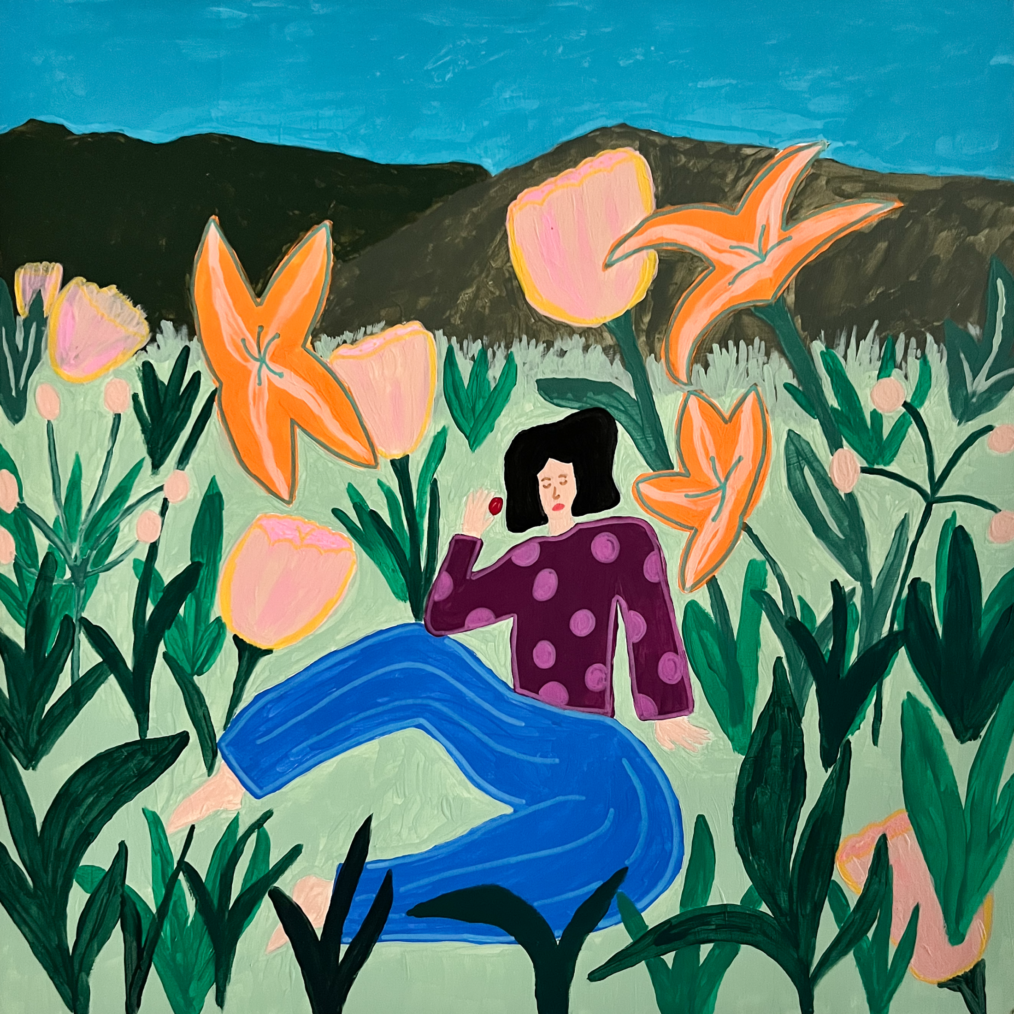
My kids’ Bible (CSB) has this psalm titled “portrait of a sinner.” As I was meditating on this passage, I couldn’t get the idea of this as a self-portrait of sorts out of my head. I think it’s too easy to read this psalm and want to minimize its truth. I’m no fool! I’m not like the person described here…except too often I am. This psalm has encouraged me to confront the foolishness in my life and heart—the ways I proclaim “of course there’s a God” with my words but don’t live like I believe that to be true. With that idea in mind, I intentionally played with proportions to highlight the foolishness and absurdity of where our lives are often oriented when the glory of God is so tangibly on display around us. My hope is that this Psalm would encourage us to examine our own foolishness and return to the God of grace who promises to be our refuge.
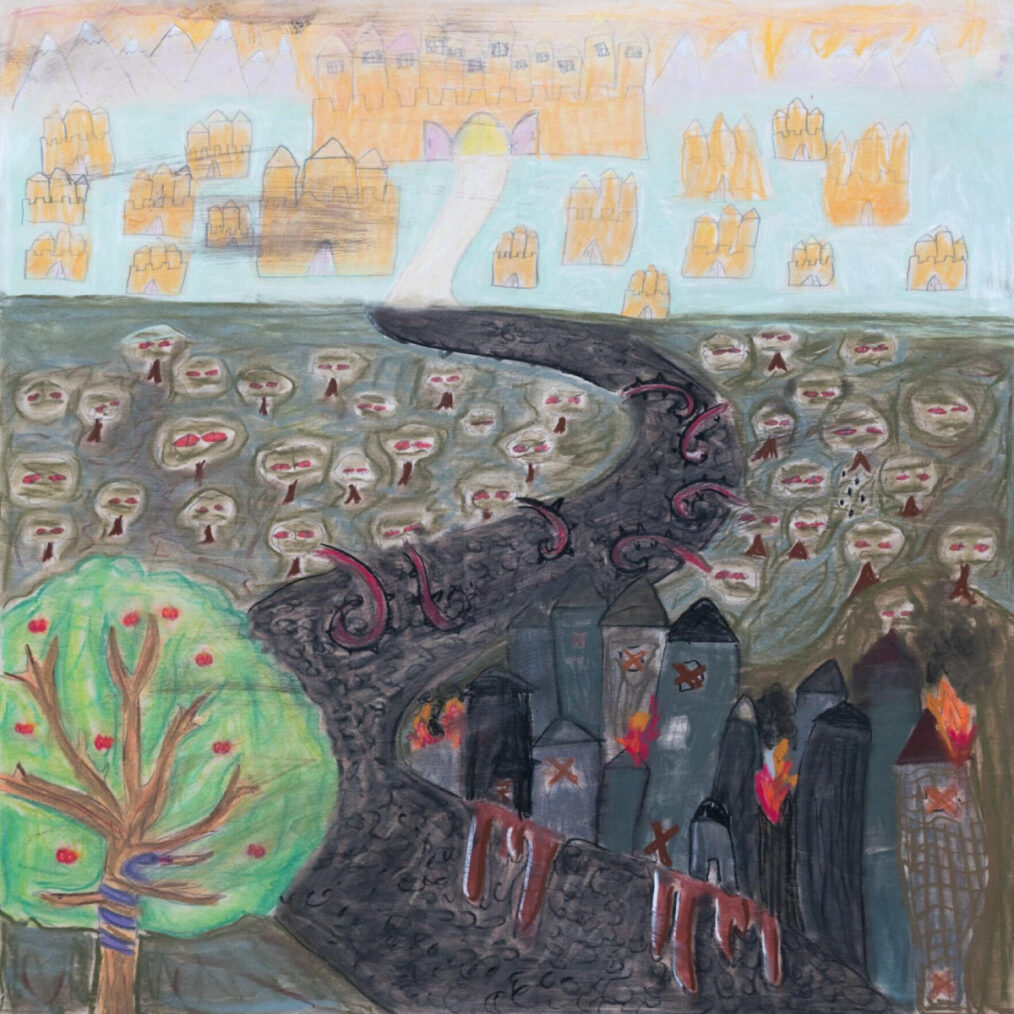
 The heavy darkness in the drawing is showing how the psalmist feels. The eyes in the trees are the wicked hiding and their evil deeds. The tumbled down buildings are a picture of the ugliness of sin and injustice going on in normal life and the broken sadness in Psalm 10. The tree with the snake on it shows how sin can also look tempting. The bright kingdom far off represents heaven and the psalmist trusting in God’s faithfulness even in his sadness.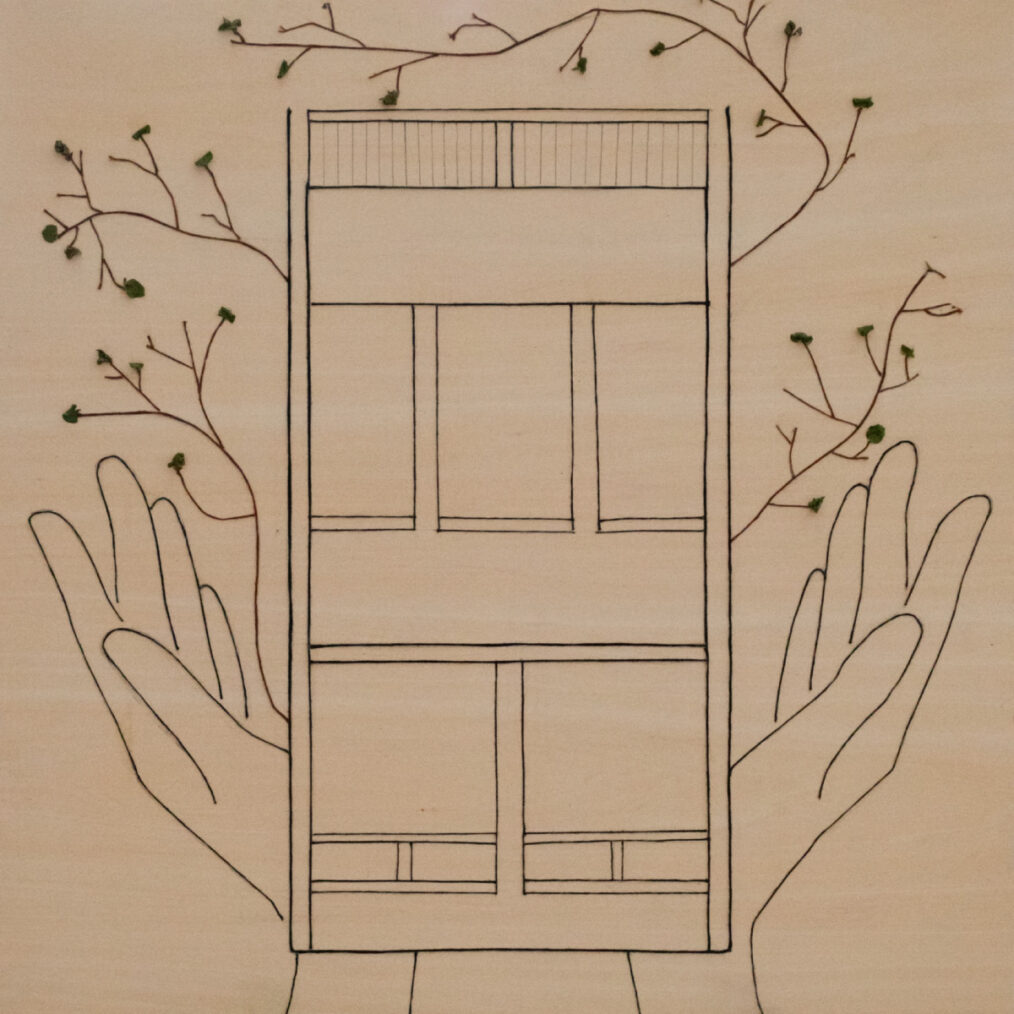
 The house is a representation of a safehouse, the place in which you find comfort and safety, though it doesn’t have to be a house; it could be whatever structure provides safety and security for you. The hands are God’s hands. He is our ultimate security, comforter, and protector from all enemies, both visible and invisible. And greenery represents life that exists in God and what can be grown in His presence.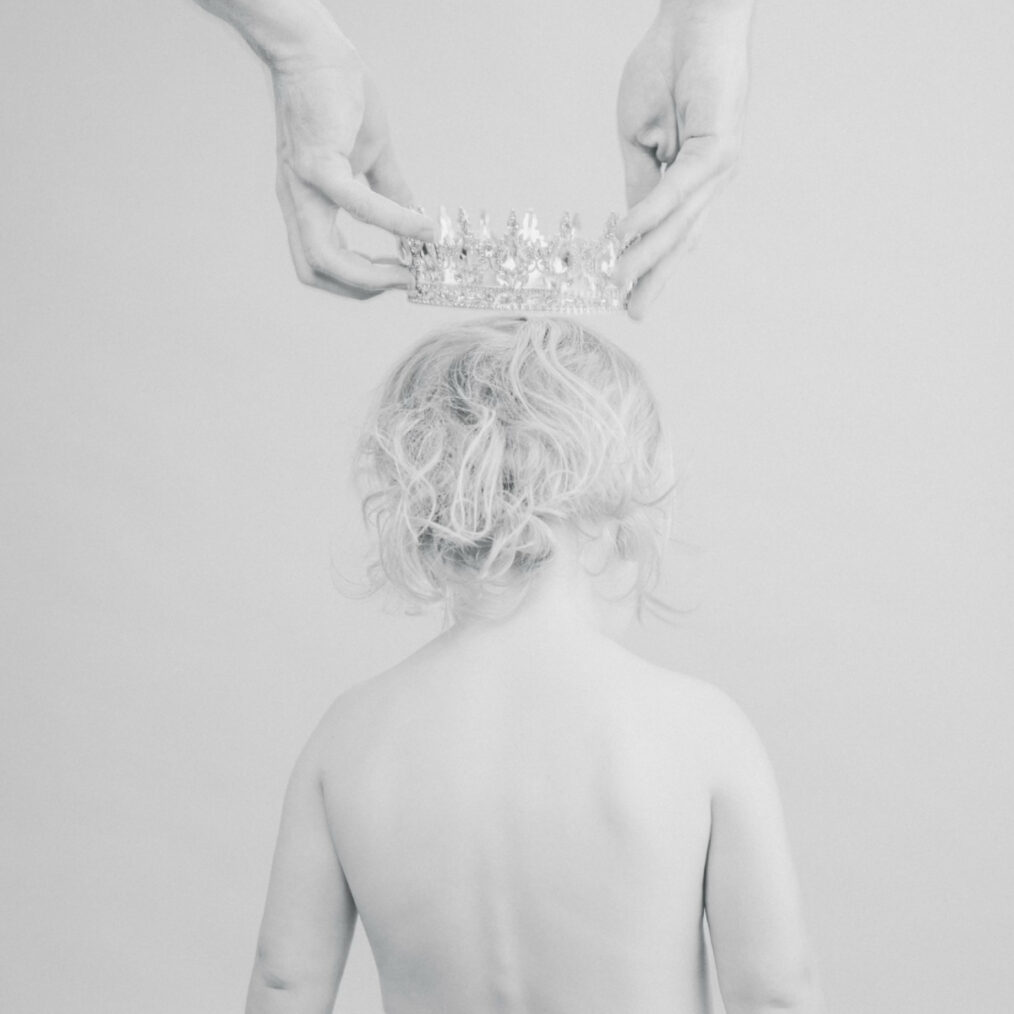
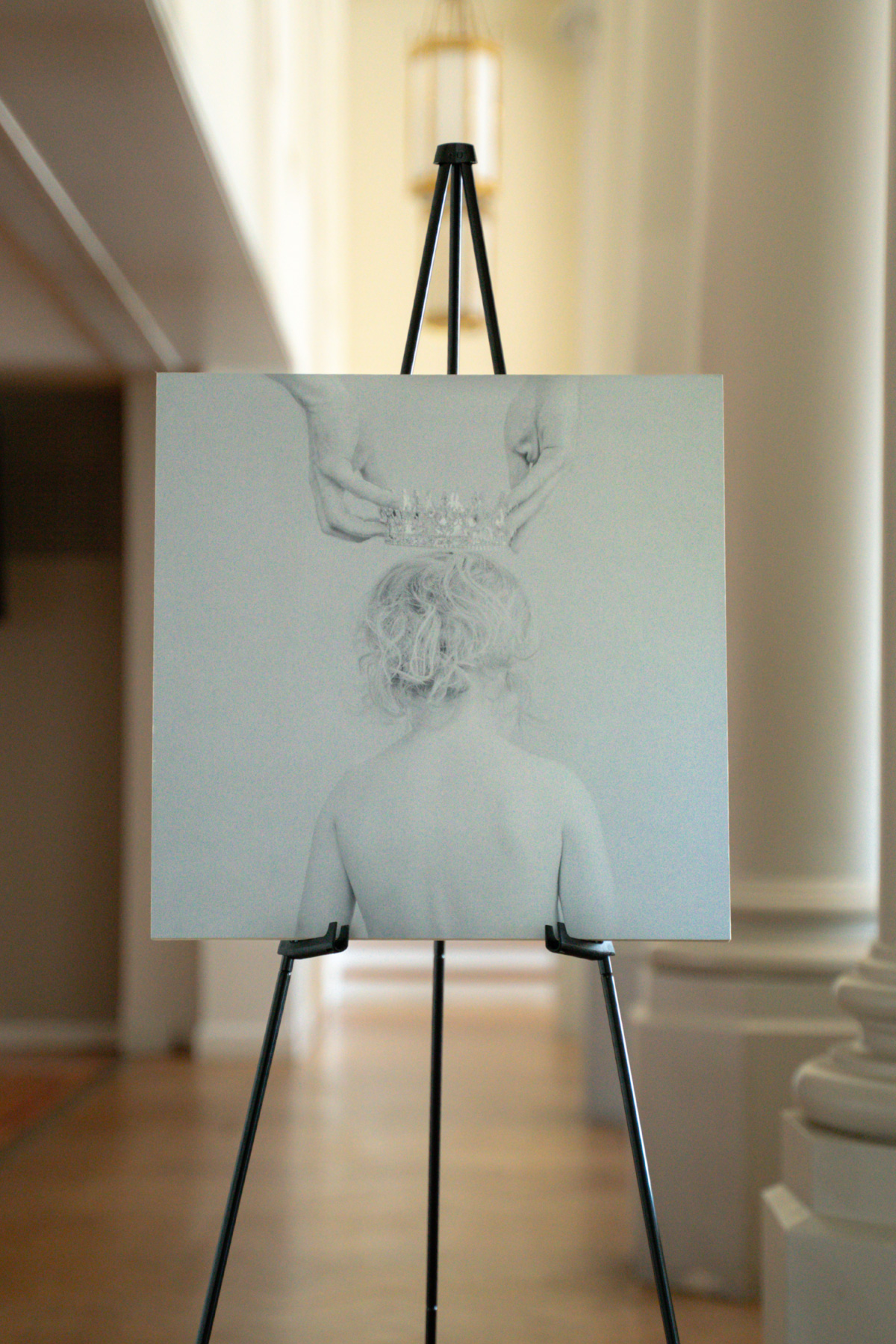 In Psalm 8, the weak are made strong and the lowly become the unexpected rulers of the world. Babies and infants are given power beyond their stature to defeat the enemies of God. And man, whose troubled and broken humanity is made evident in Psalm 7, is granted dominion over God’s glorious handiwork.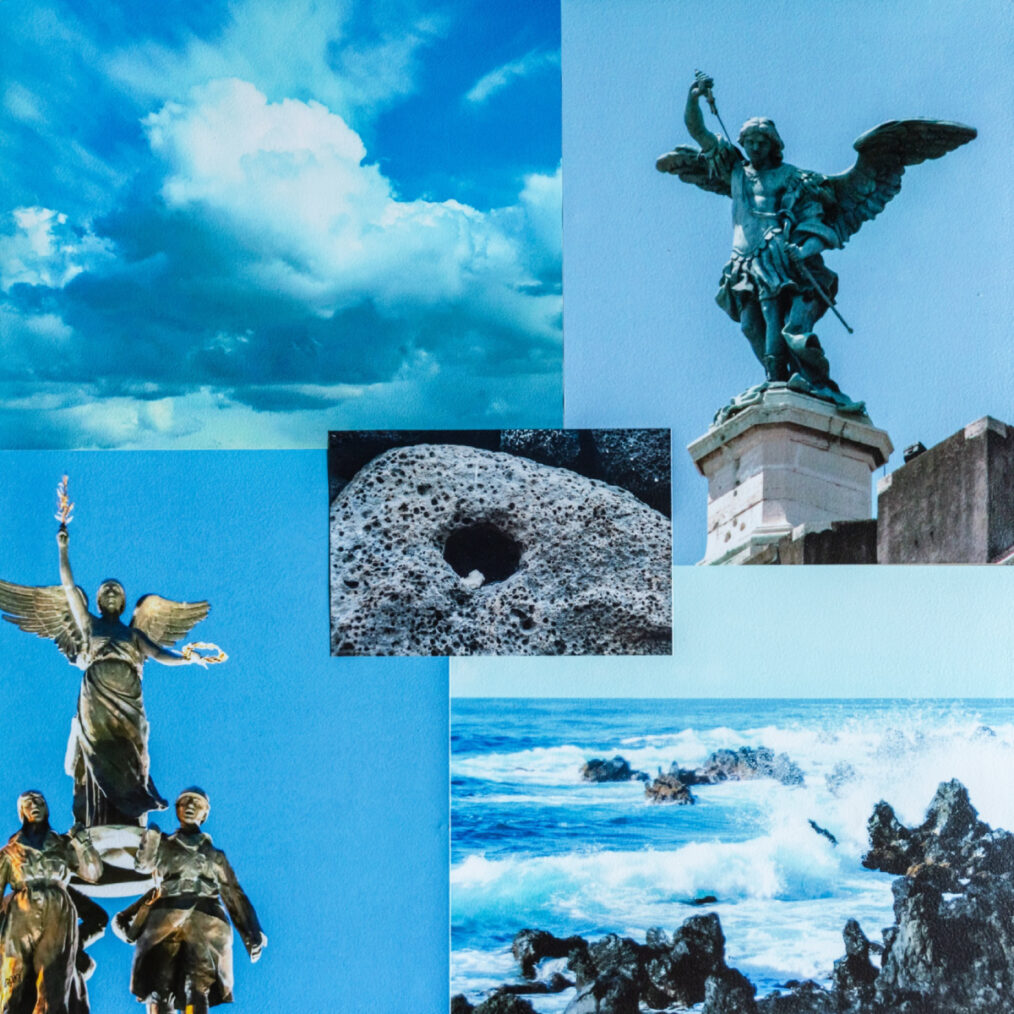
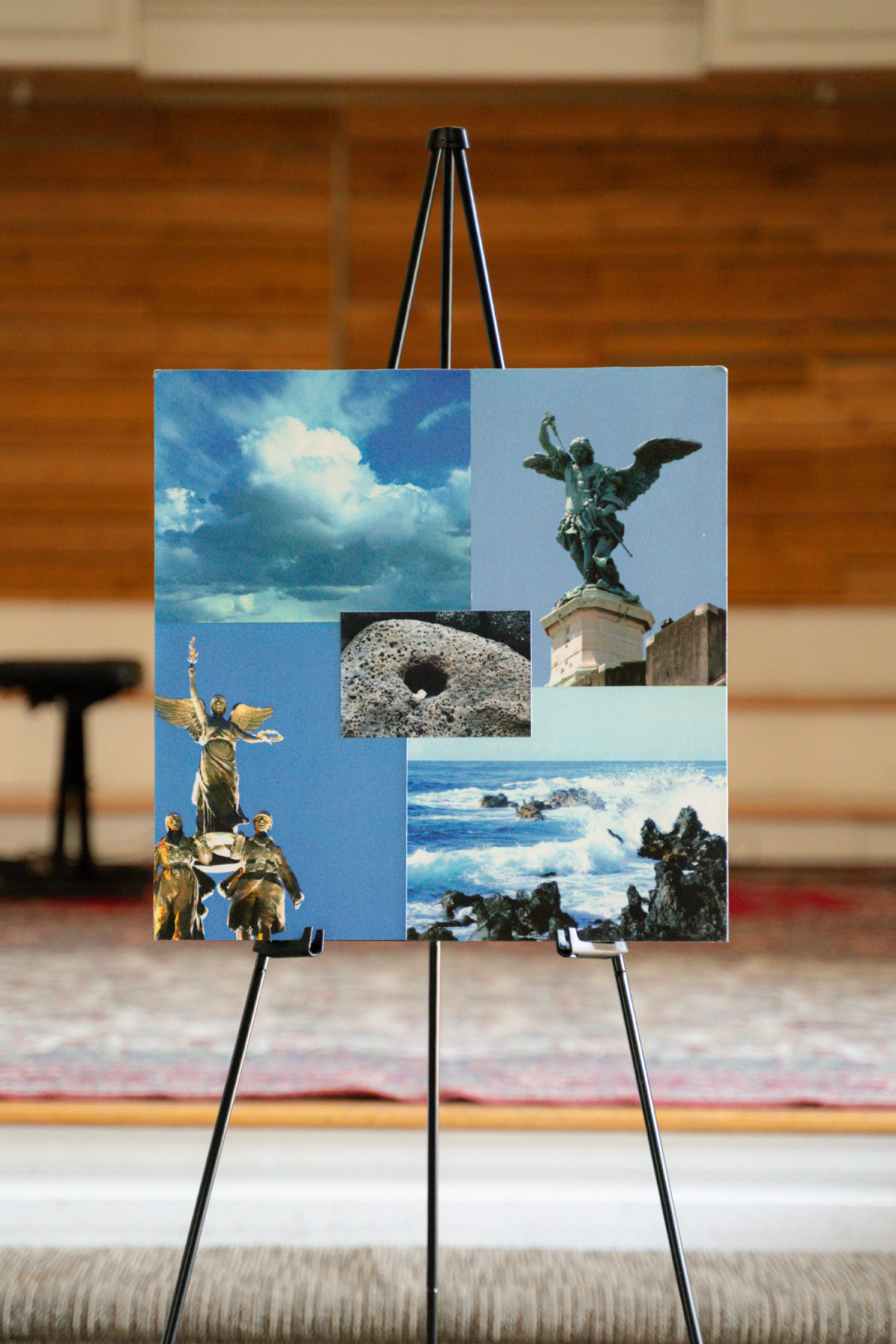 I selected Psalm 7 based on the first verse: “O Lord my God, in you I take refuge; save me from all my pursuers and deliver me.” The center photo of the volcanic rock cradling a small piece of coral immediately came to mind as a representation of God’s protection and refuge for us. This rock was about 5 ft up on a 12 ft tall volcanic rock wall that encompassed a small village. The only way that little piece of coral got there from the ocean, to be cradled and protected, was from a ferocious storm. The same place in our lives where we seek shelter, represented by the photo of the crashing waves on the rocks.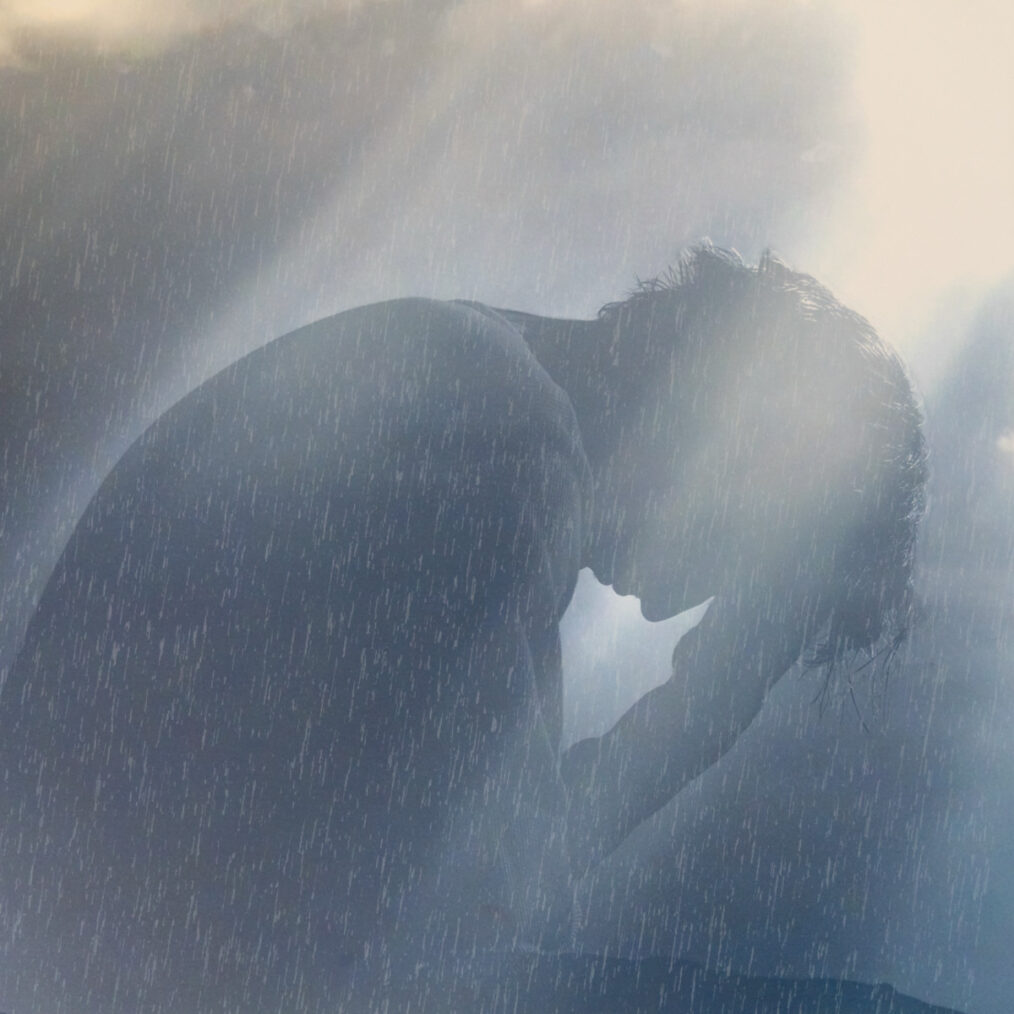
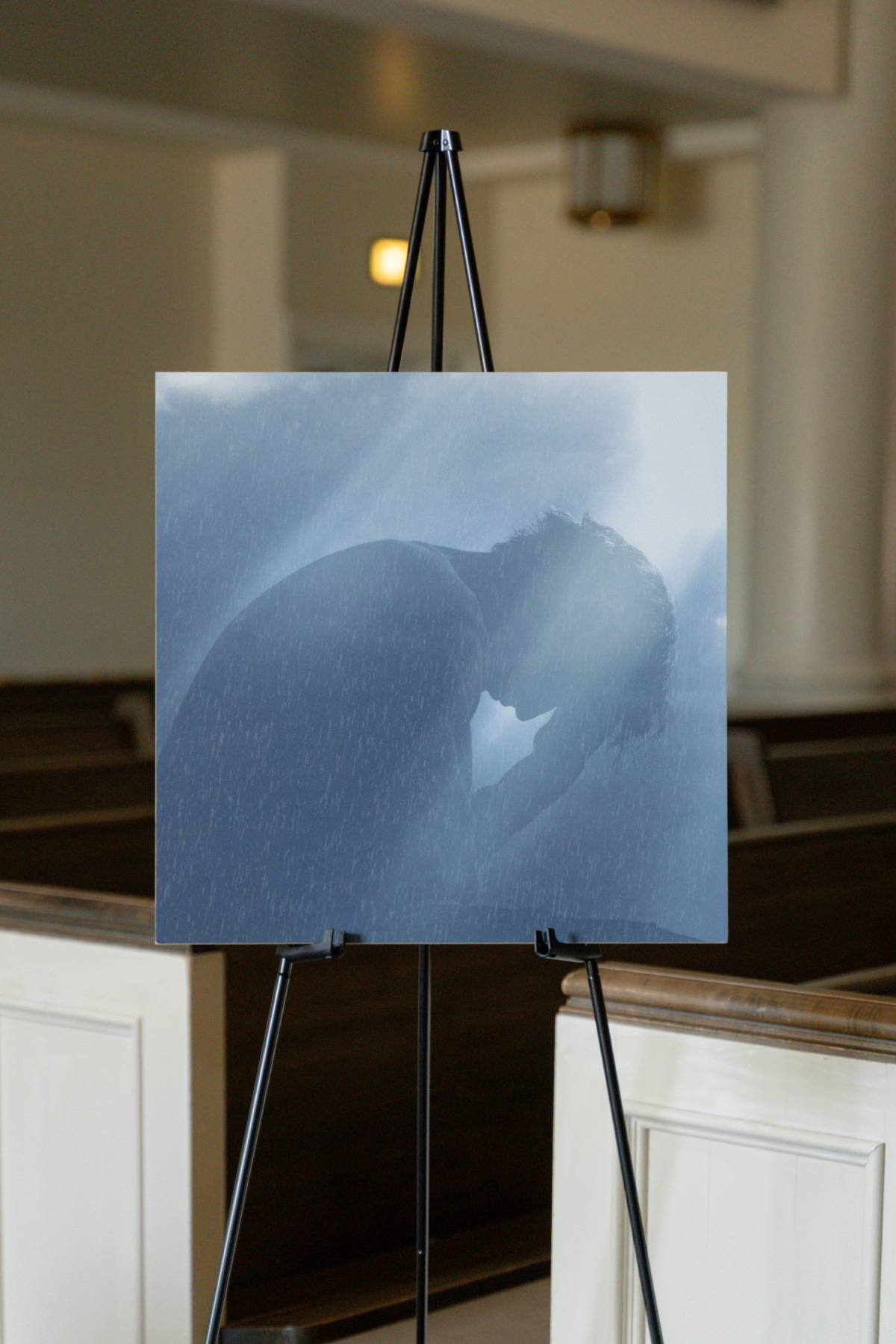 Although King David is awash with agony in Psalm 6, he trusts God with his prayer for help. This composition presents a posture that expresses both the heavy weight of being worn down from distress and bowing down in prayer. The placement of the angled rays of light shining from above through the clouds depicts God’s acceptance of David’s prayer. The rain represents the floods of tears David shed.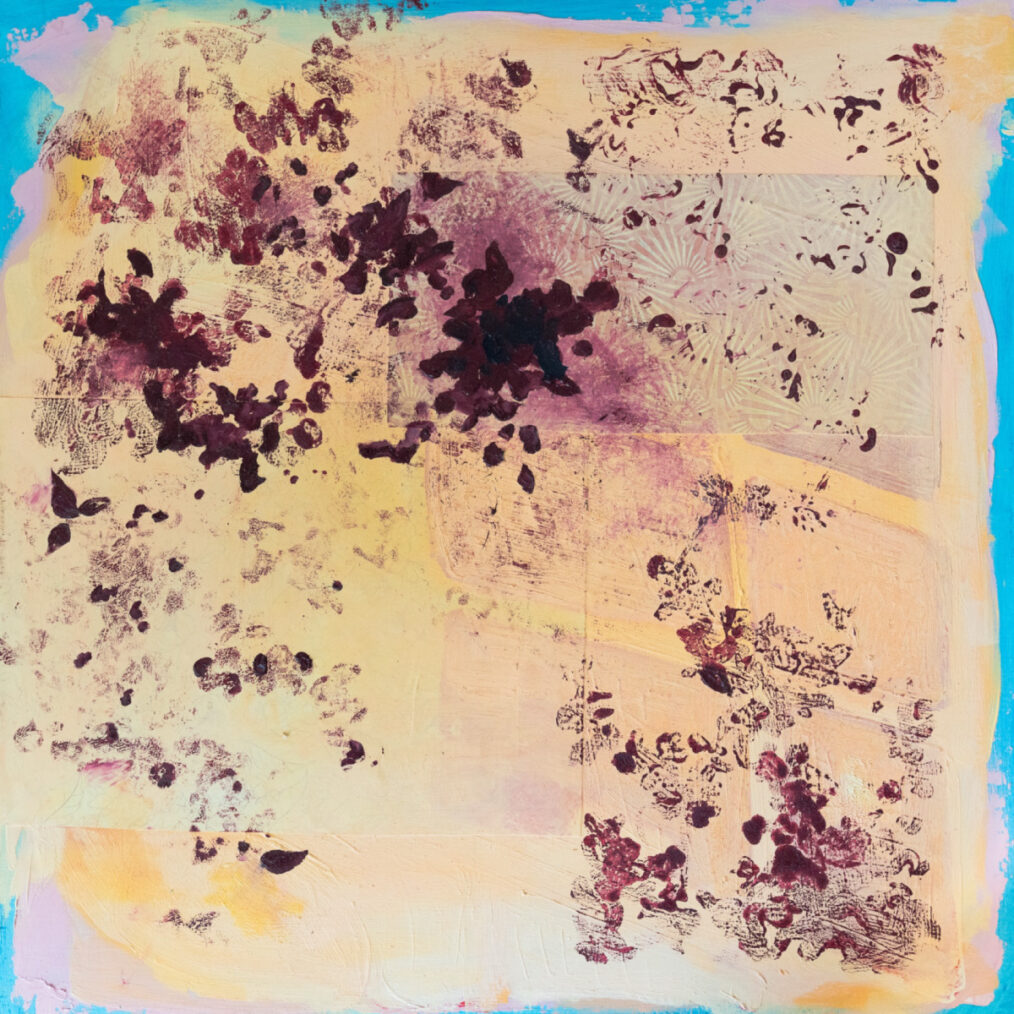
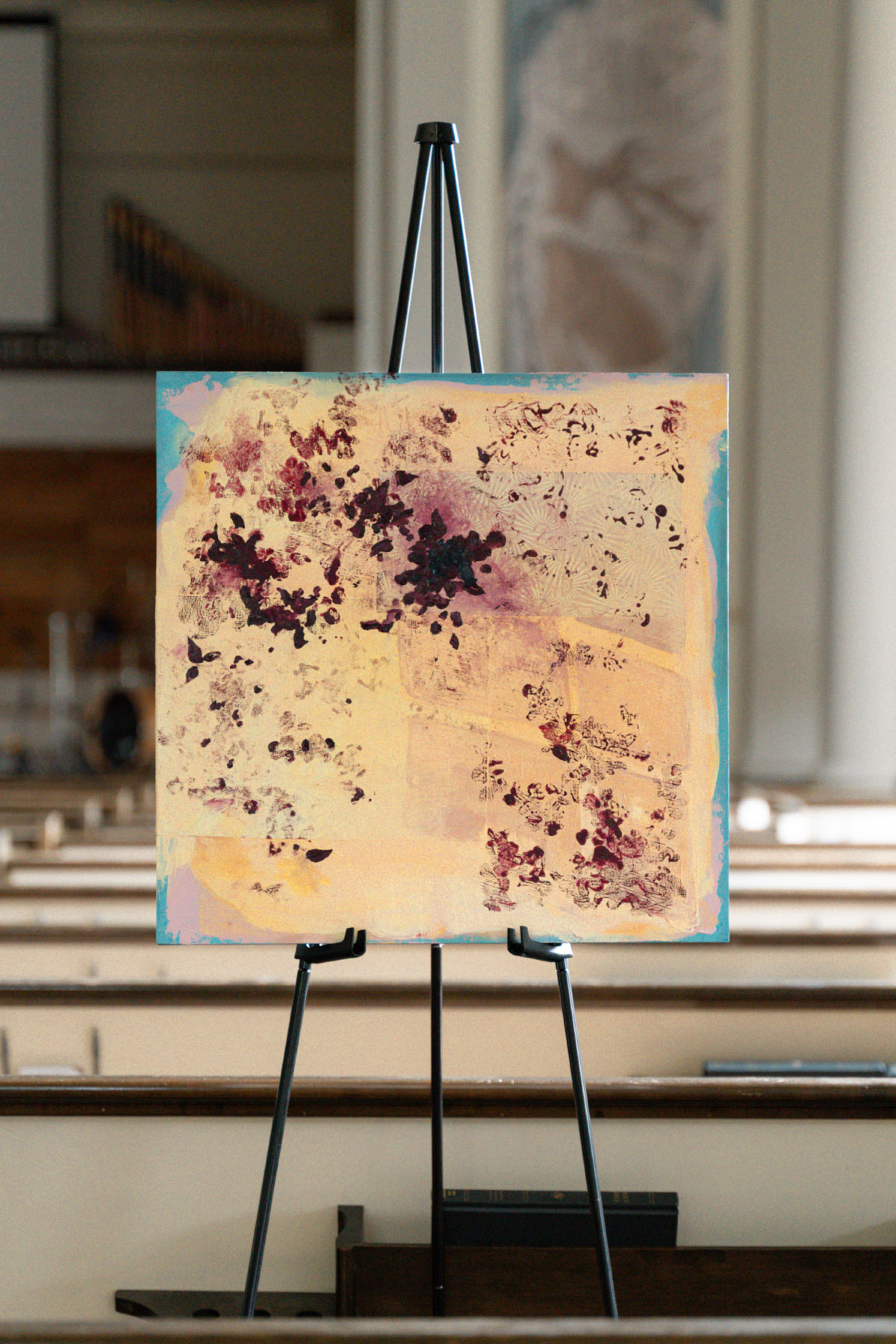 There is lament in these words. There is also rooted hope and trust in them. My piece is meant to depict that gap in between.